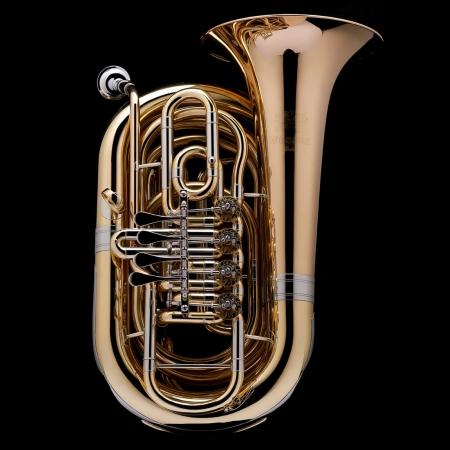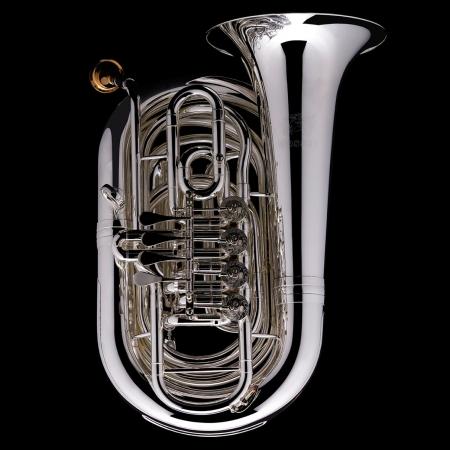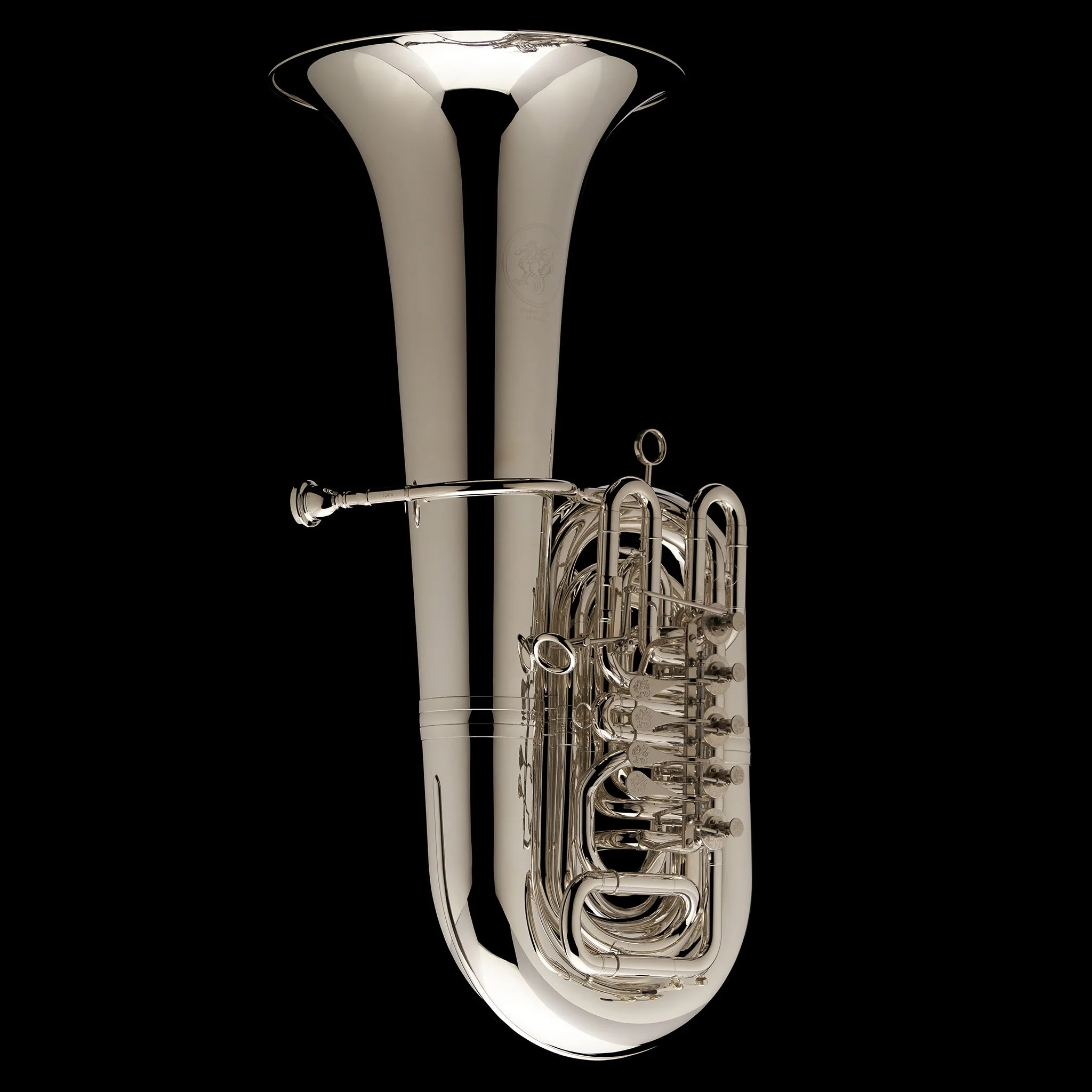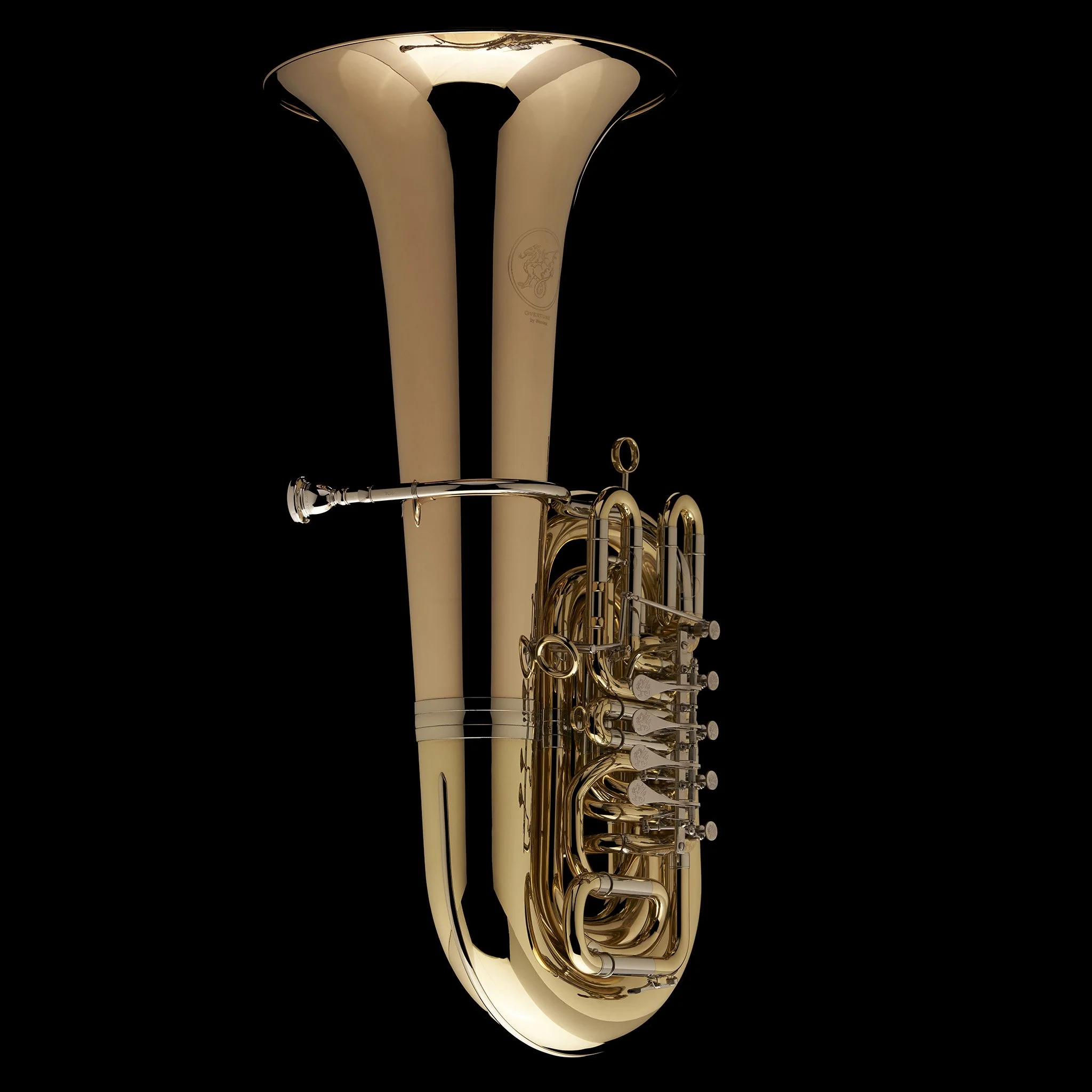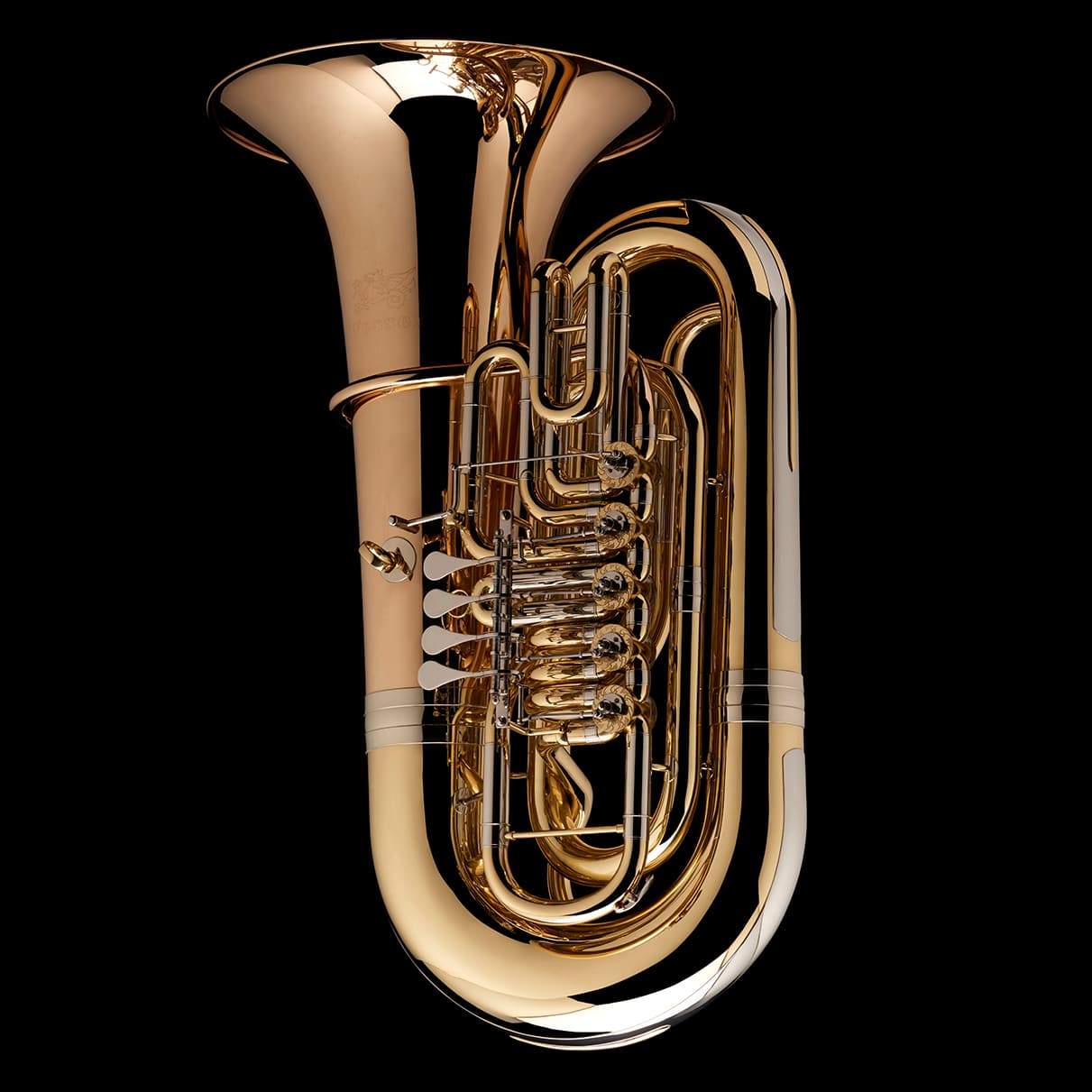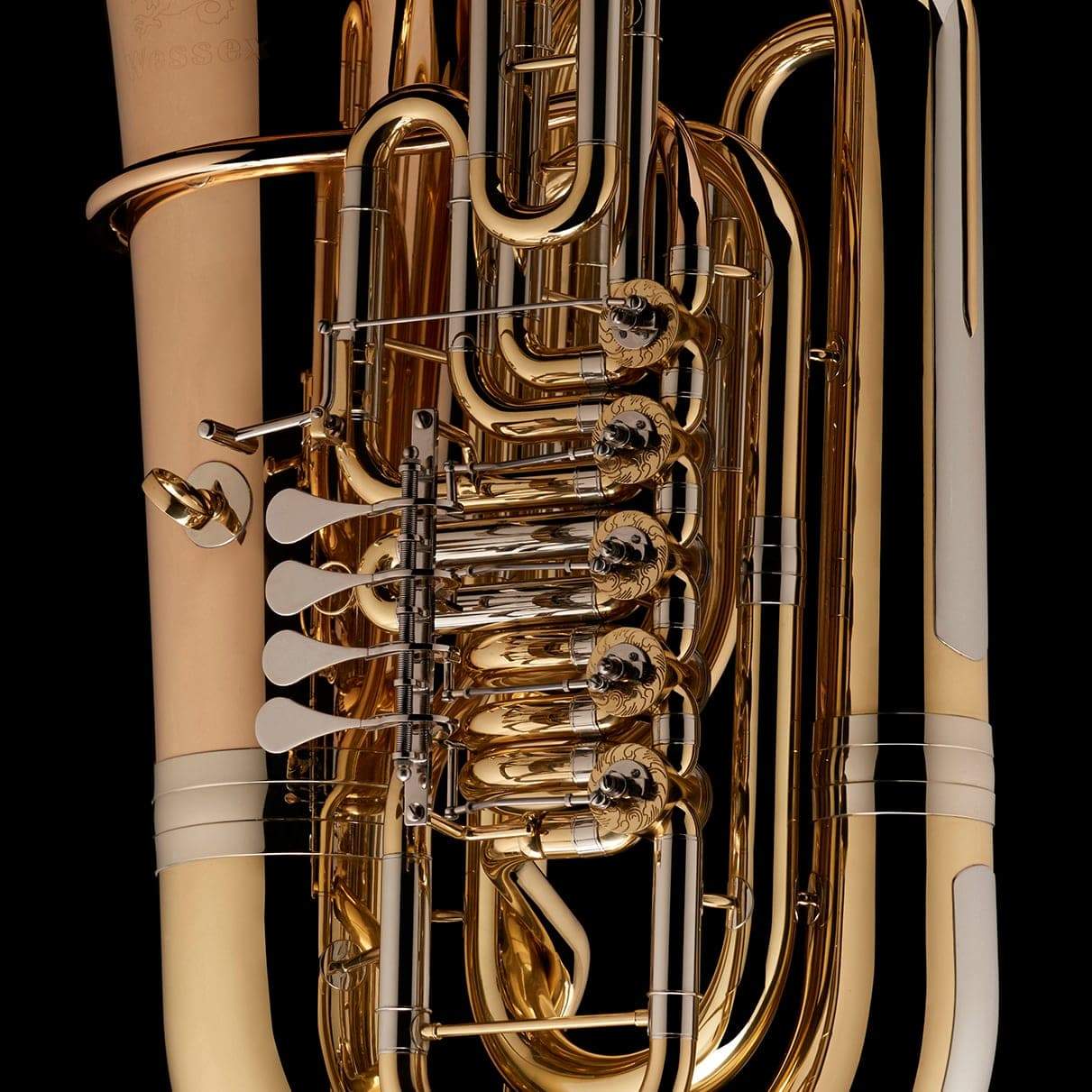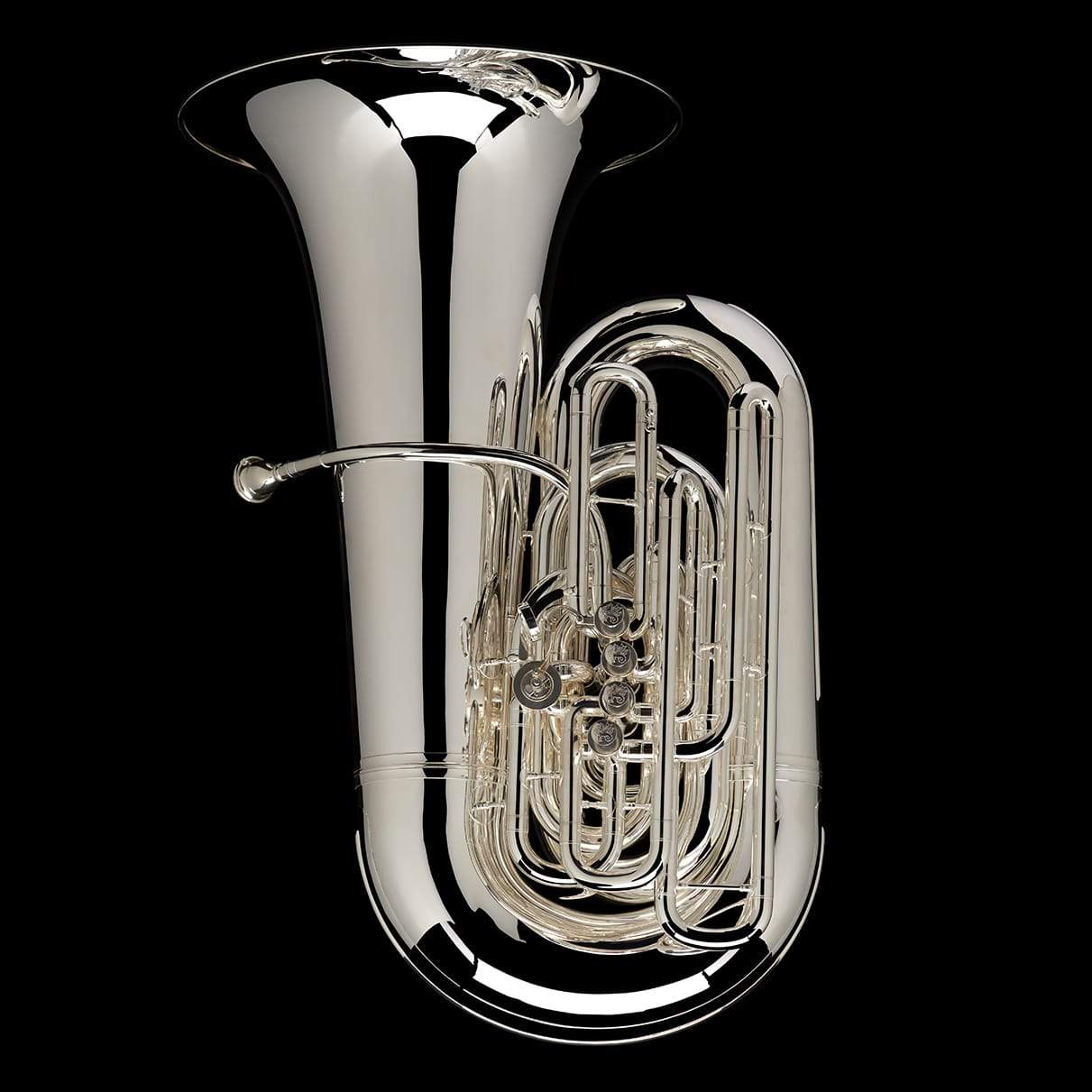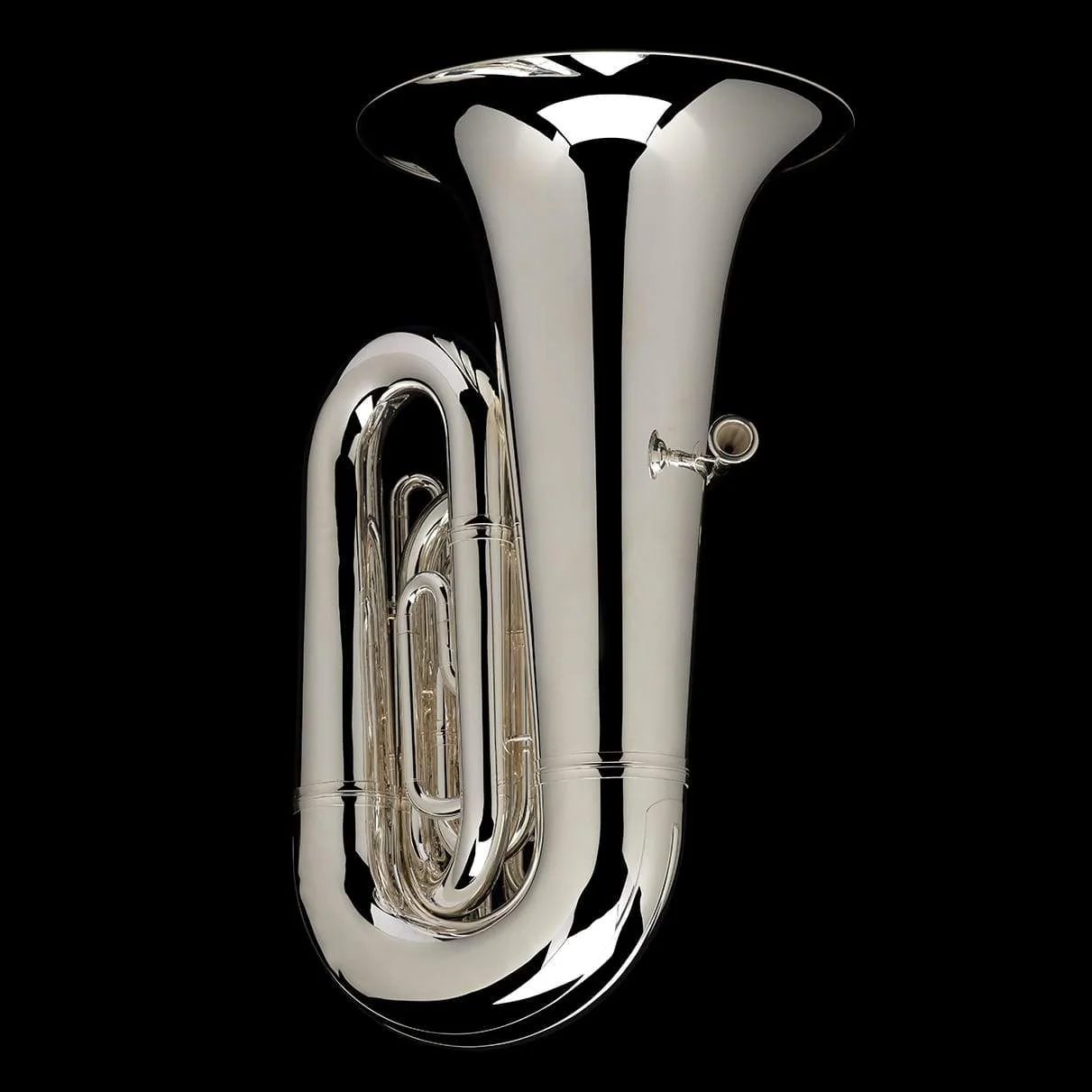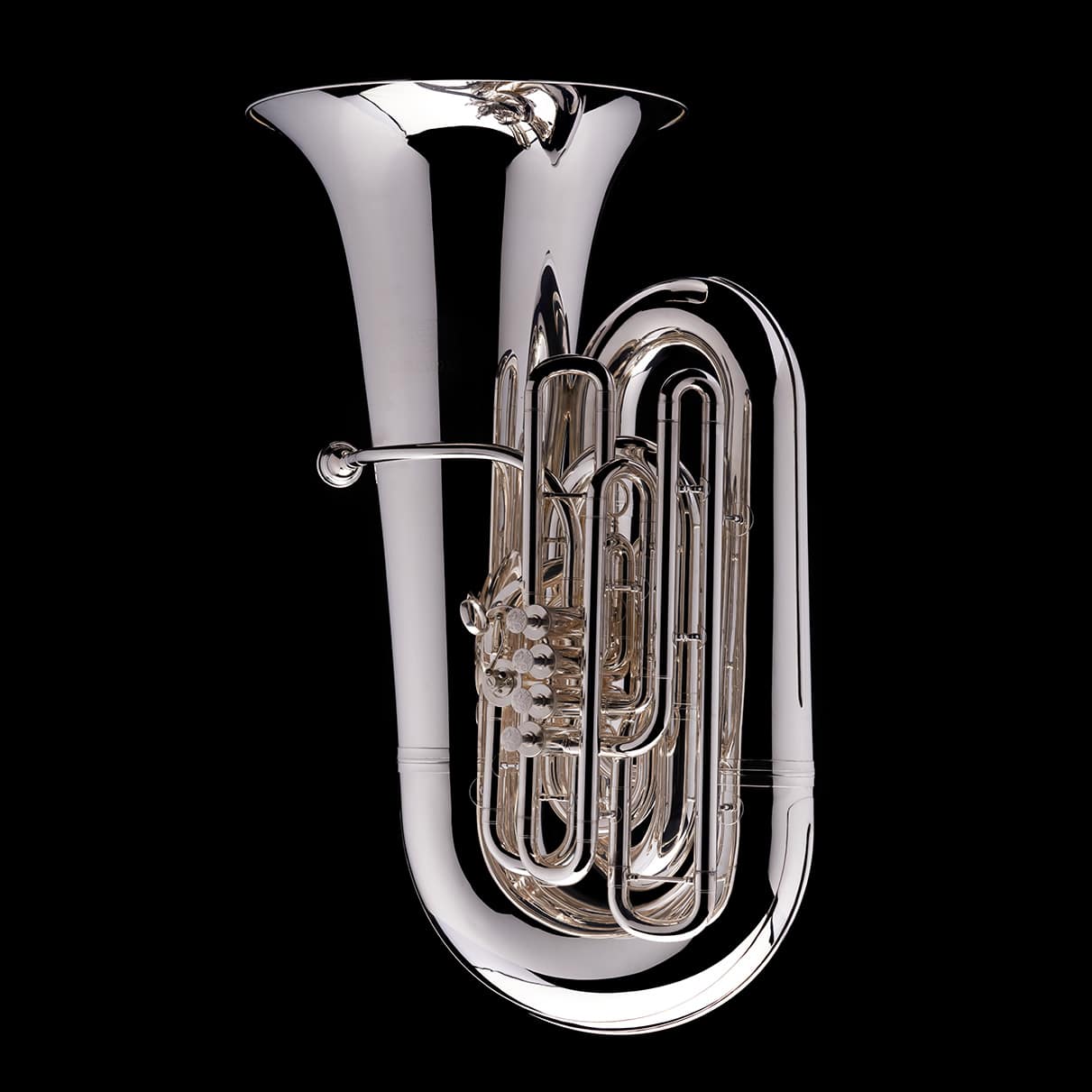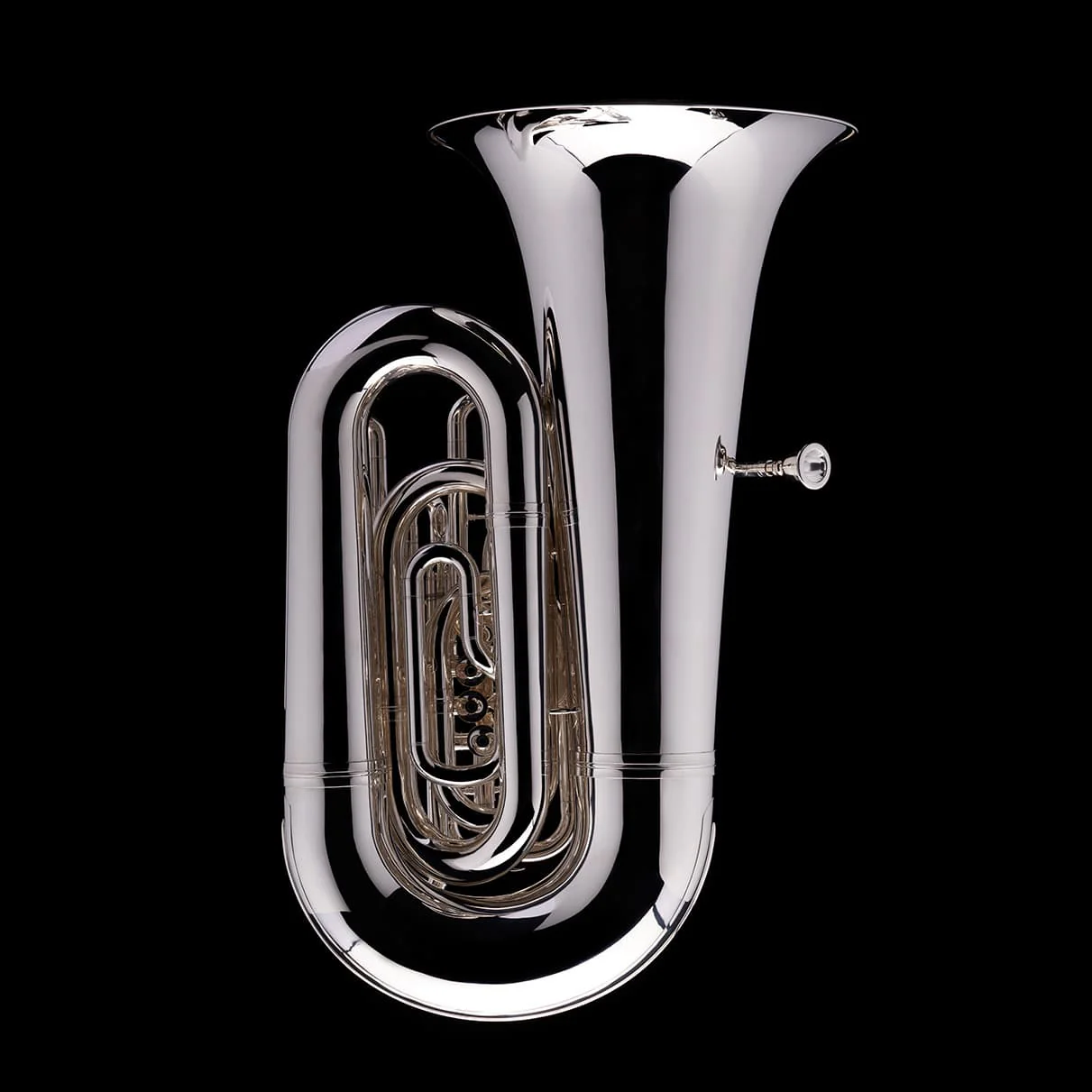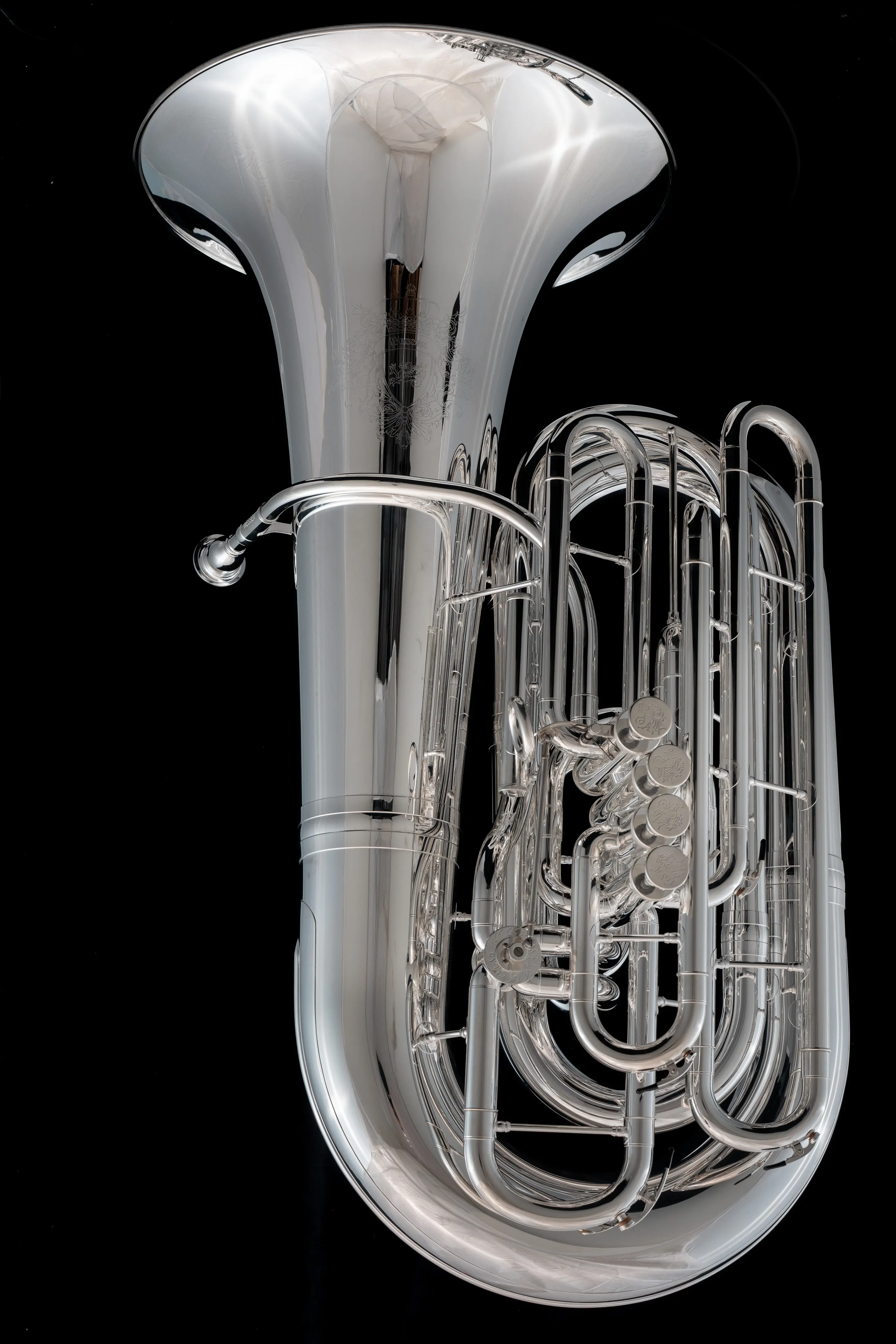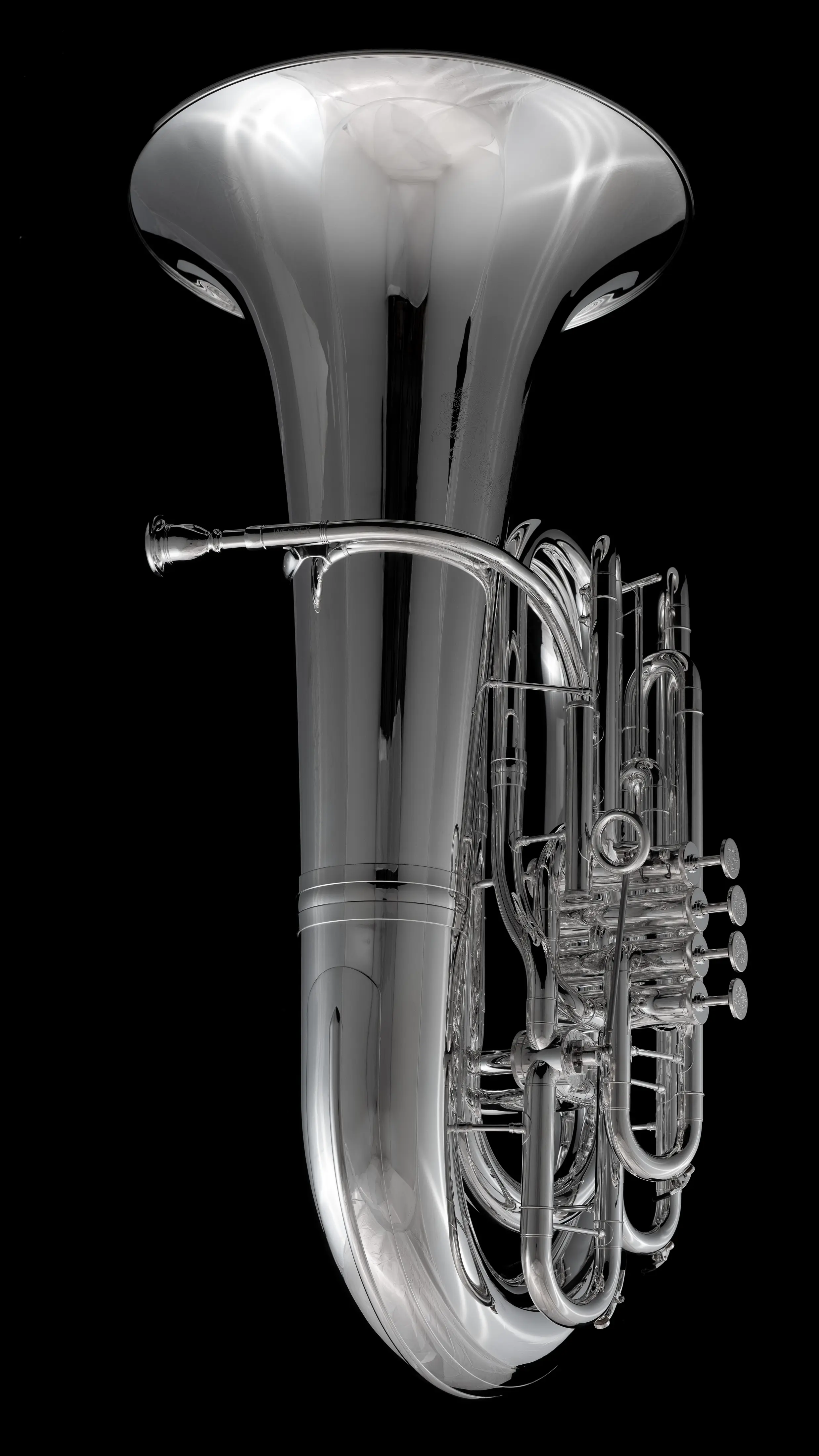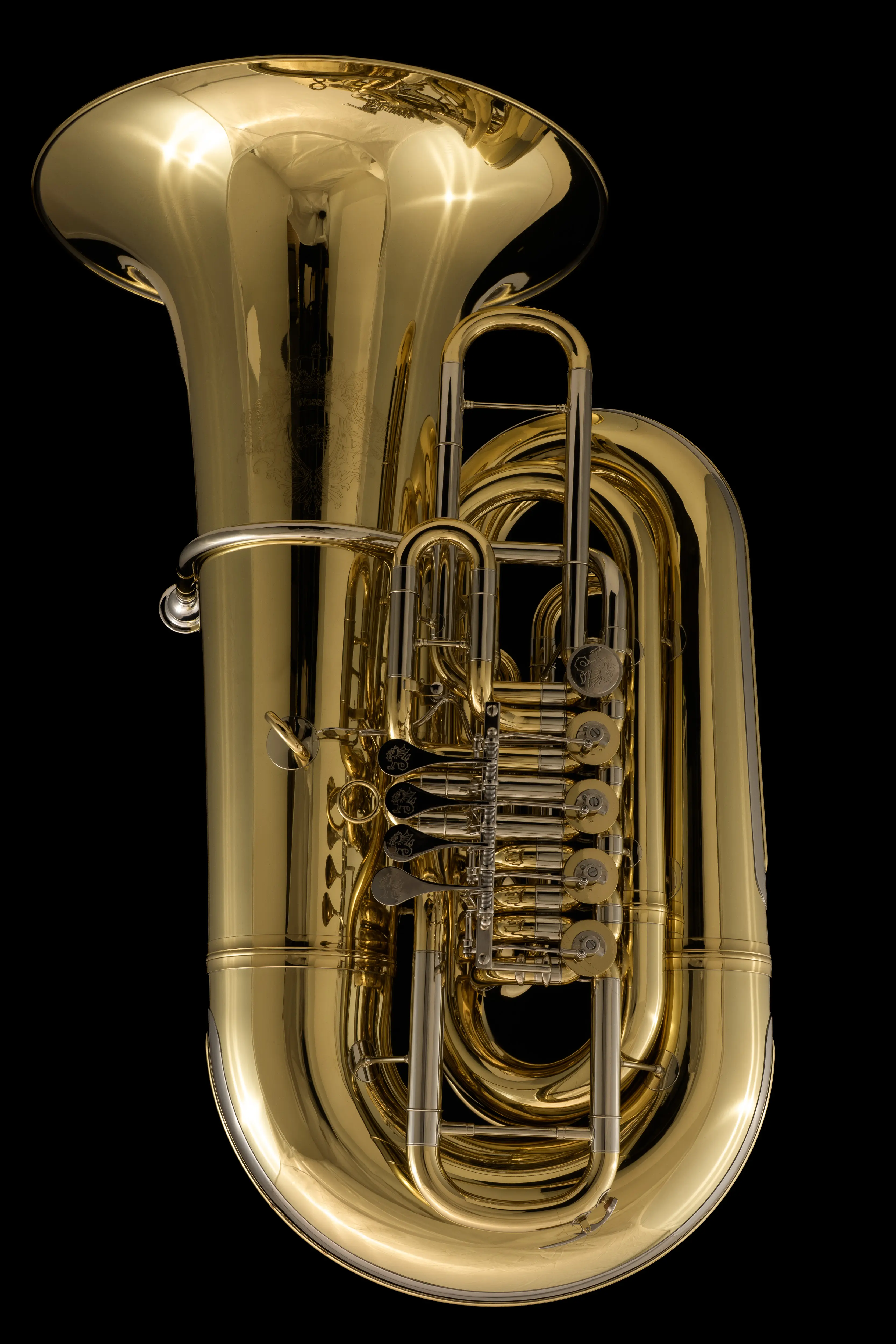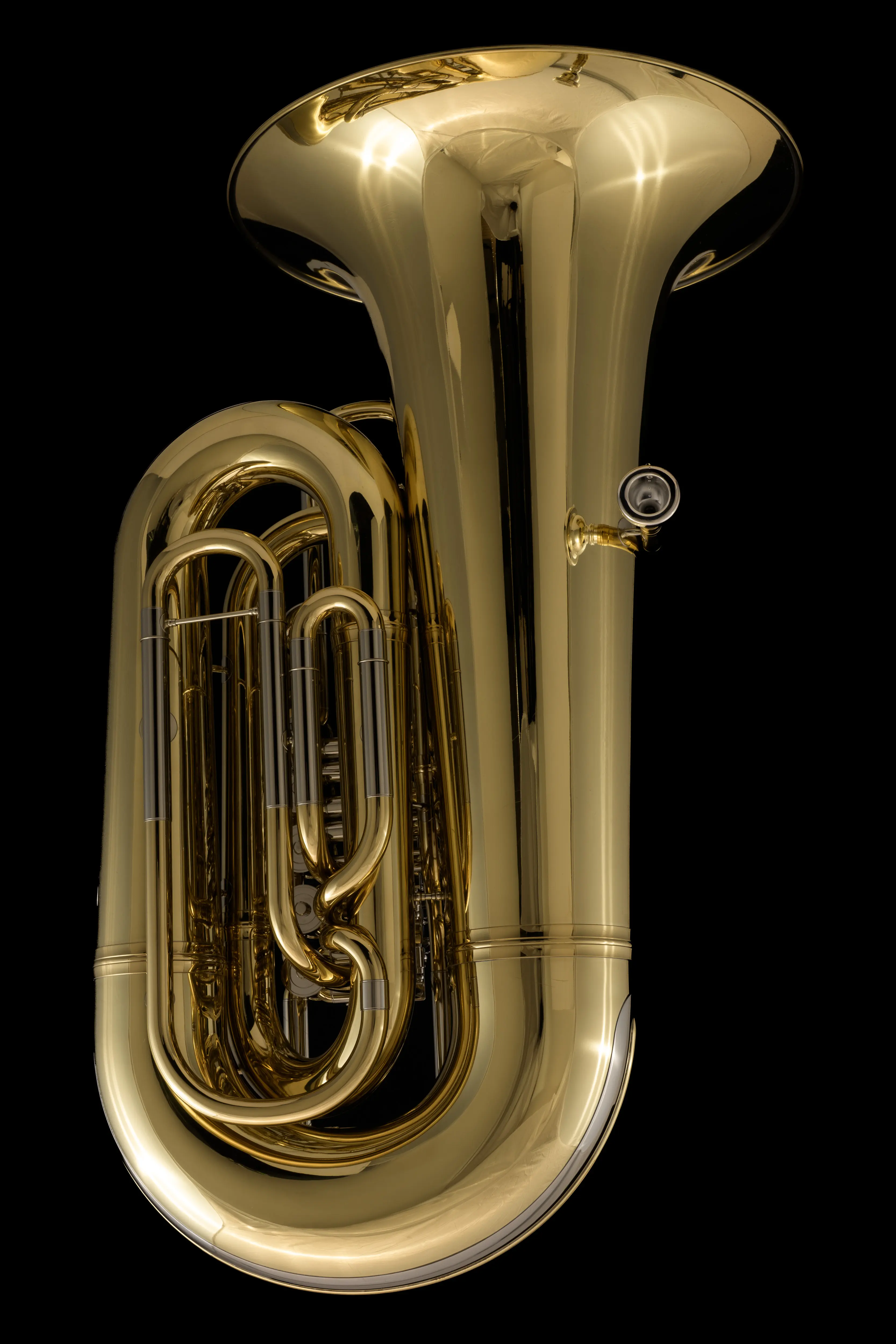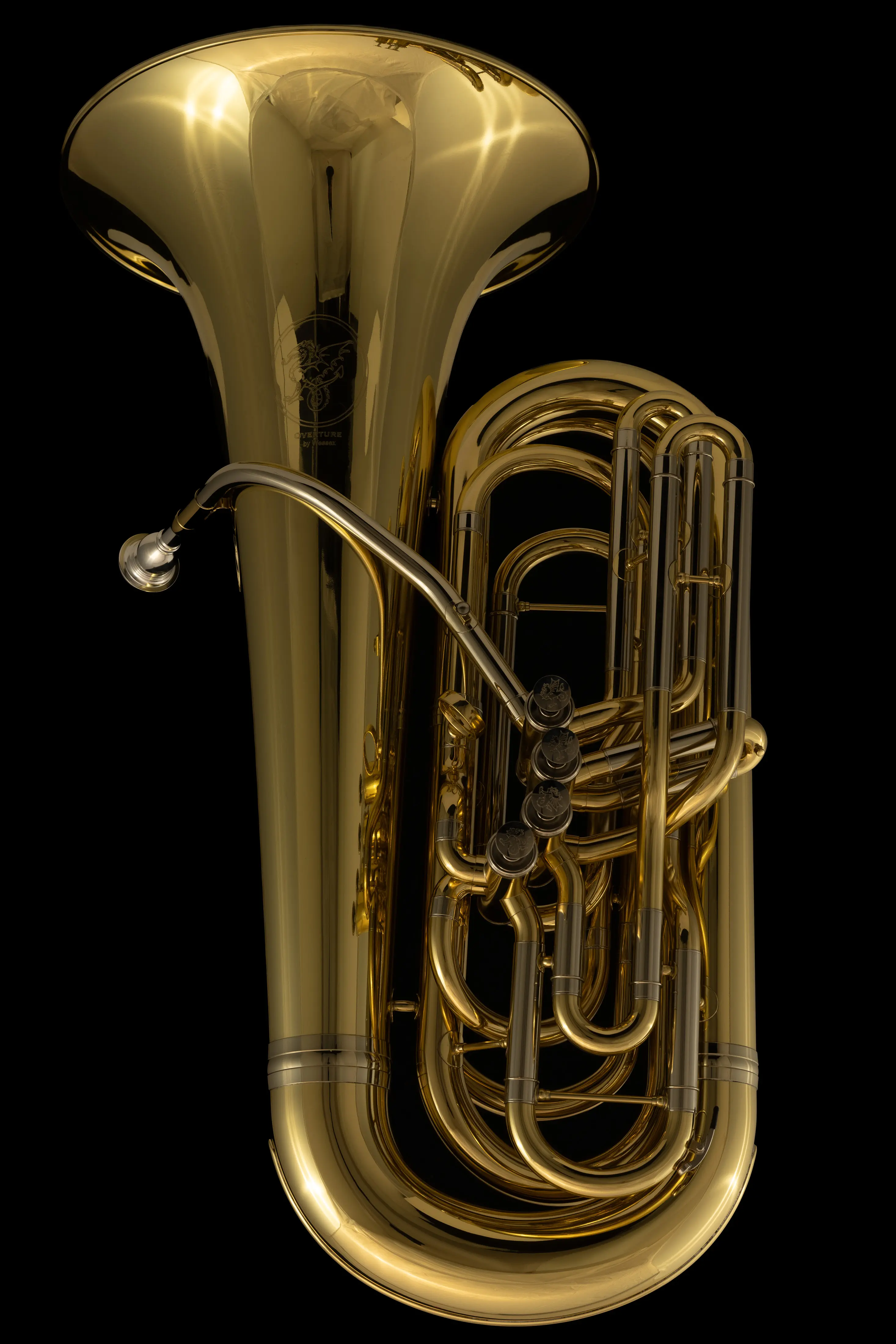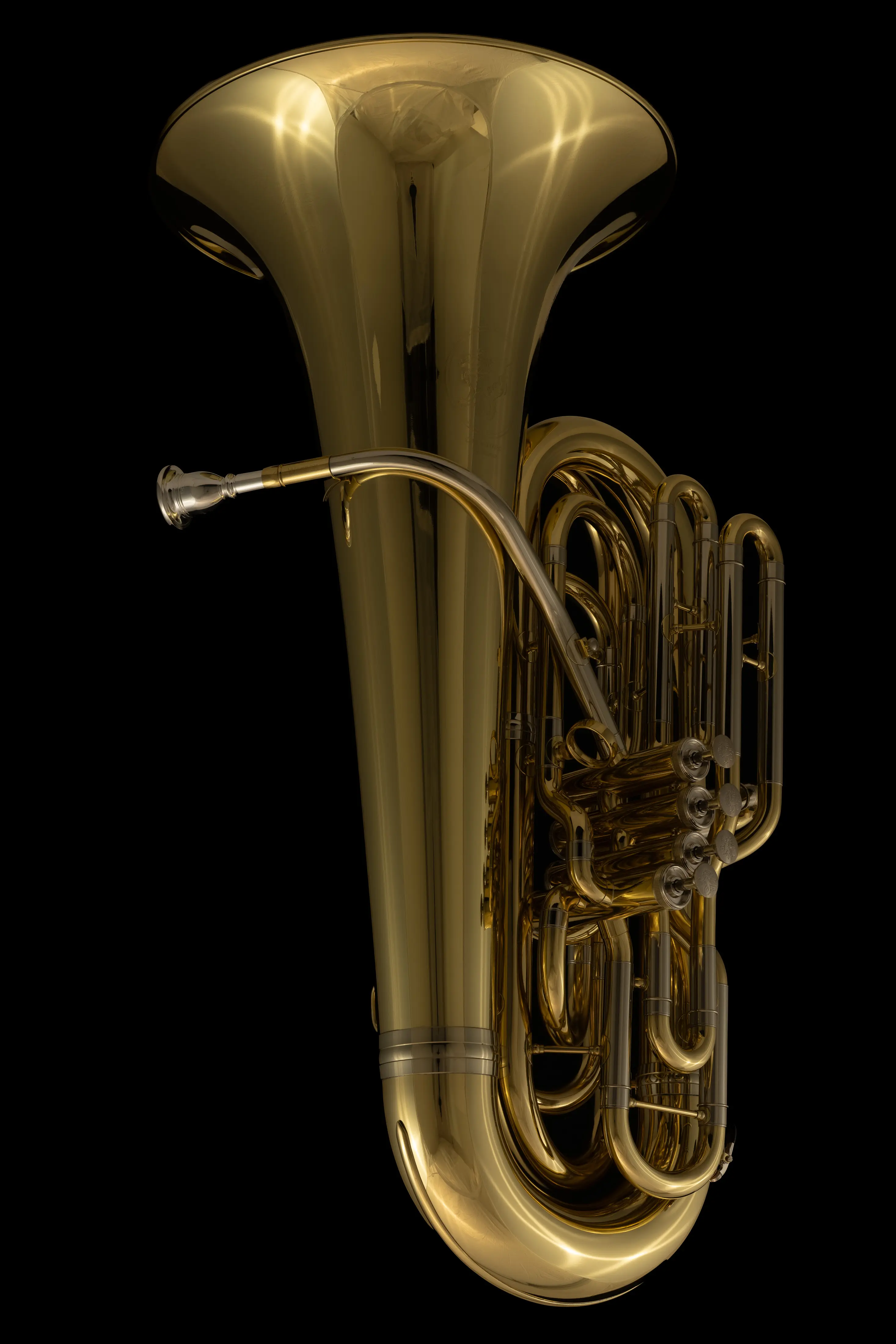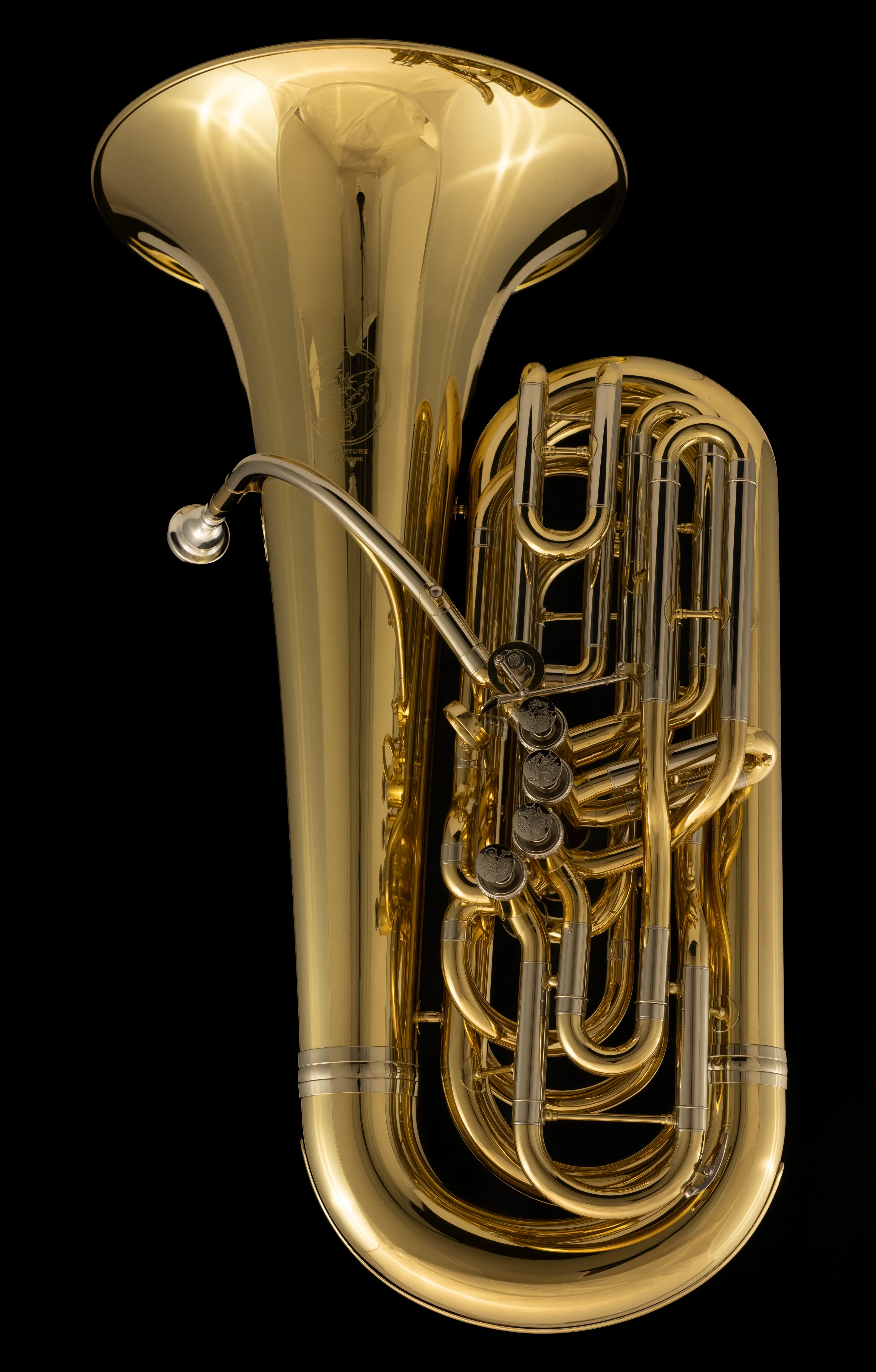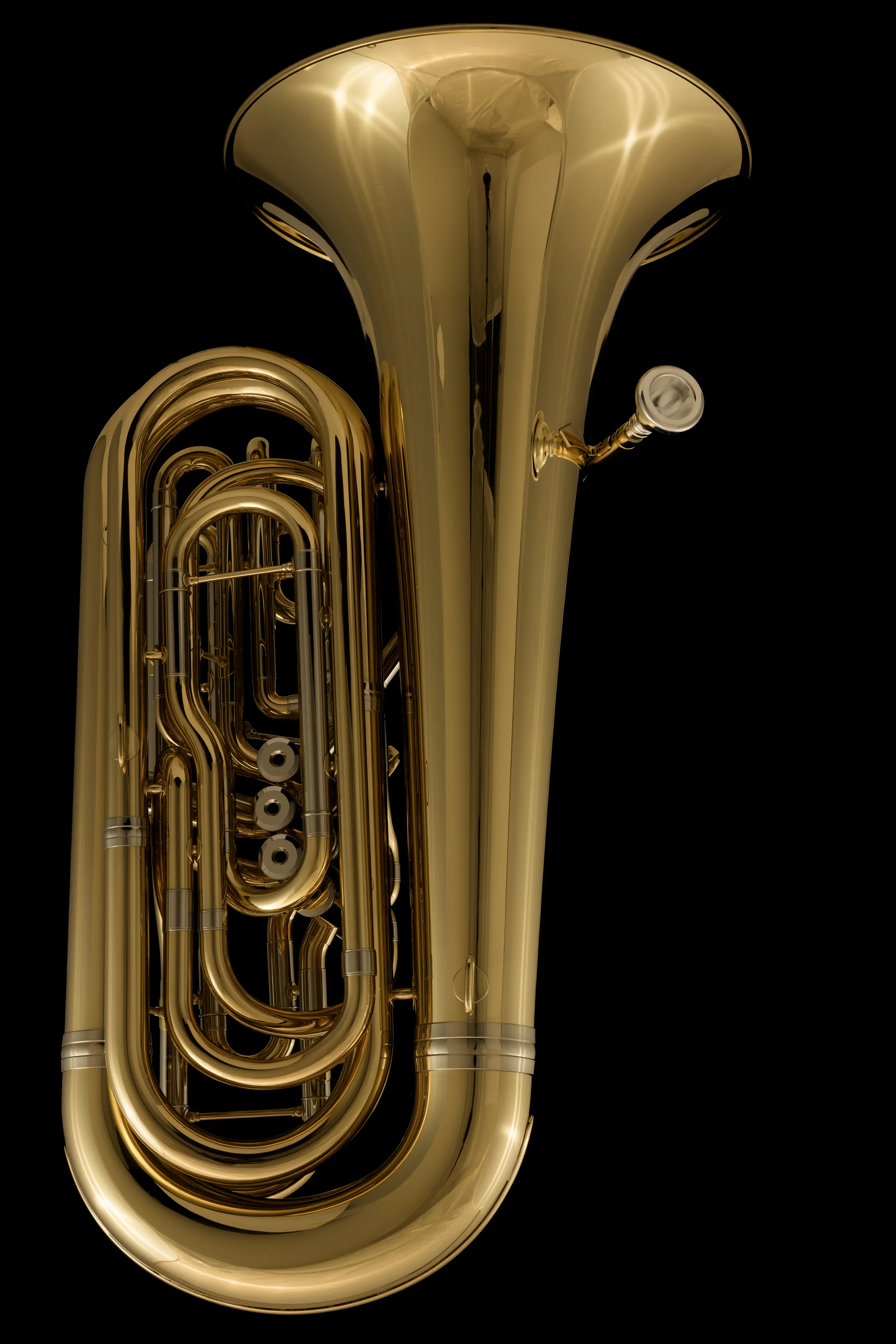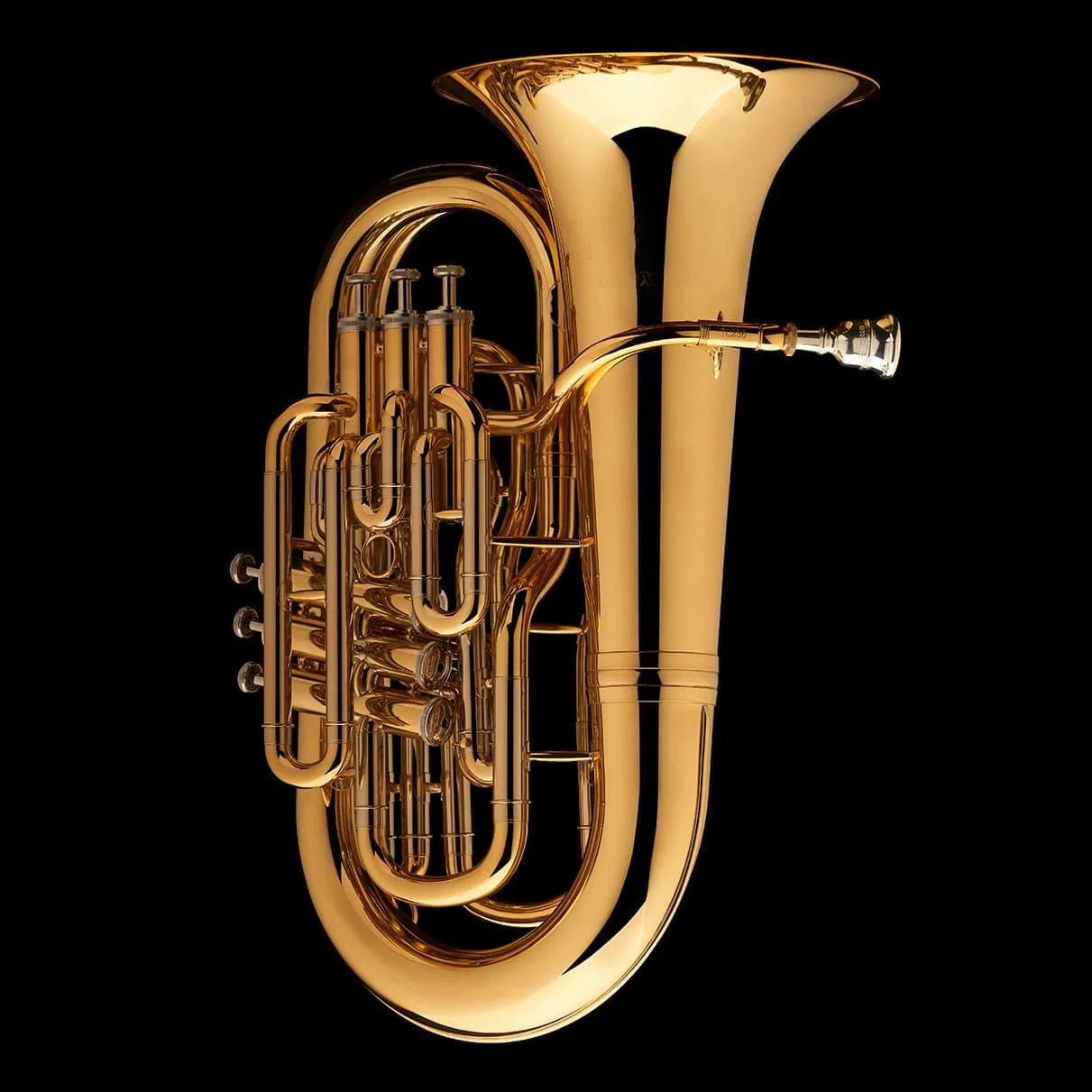
French C Tuba - TC236 P
For over 100 years, from the mid-19th to mid-20th centuries, French orchestral Tuba players exclusively played the small french C tuba, favouring their size and pitch against larger Tubas from other countries.
Pitched at the C above a Euphonium, our French C Tuba TC236 P effortlessly plays all Tuba music, down to the lowest register.
The TC236 is especially suited to musicians interested in period performance or exploring French orchestral works as originally intended - it allows players to approach this repertoire with a sound that reflects its historical context.
Compared to modern F and CC tubas, the French C tuba offers a more compact and centred tone; it blends differently within an ensemble, often providing clarity and definition rather than sheer weight.
This makes it particularly effective in repertoire where precision and tonal character are more important than sheer volume.
Unlike French tubas of old where the 3rd valve added a 2+3 combination (major 3rd, or 4 semitones), the 3rd valve of the Wessex French tuba adds a more conventional 1+2 combination (minor 3rd, or 3 semitones). This avoids the complication of having to learn a new fingering system.
Possessing a distinctive Gallic tone, this exceptional tuba in C can often be heard as part of such timeless pieces as: Ravel’s Pictures at an Exhibition, Franck Symphony in D, Saint-Sains Organ Symphony, and Bizet’s Carmen; a ‘must- have’ for orchestral musicians who want to perform these works authentically.
With its distinct tonal character and historical significance, the French C tuba provides a unique perspective on low brass performance.
Note: Although called a tuba, this instrument is euphonium size and is played with a euphonium size mouthpiece. A tuba mouthpiece will cause it to play flat and without its distinctive tone.
For over 100 years, from the mid-19th to mid-20th centuries, French orchestral Tuba players exclusively played the small french C tuba, favouring their size and pitch against larger Tubas from other countries.
Pitched at the C above a Euphonium, our French C Tuba TC236 P effortlessly plays all Tuba music, down to the lowest register.
The TC236 is especially suited to musicians interested in period performance or exploring French orchestral works as originally intended - it allows players to approach this repertoire with a sound that reflects its historical context.
Compared to modern F and CC tubas, the French C tuba offers a more compact and centred tone; it blends differently within an ensemble, often providing clarity and definition rather than sheer weight.
This makes it particularly effective in repertoire where precision and tonal character are more important than sheer volume.
Unlike French tubas of old where the 3rd valve added a 2+3 combination (major 3rd, or 4 semitones), the 3rd valve of the Wessex French tuba adds a more conventional 1+2 combination (minor 3rd, or 3 semitones). This avoids the complication of having to learn a new fingering system.
Possessing a distinctive Gallic tone, this exceptional tuba in C can often be heard as part of such timeless pieces as: Ravel’s Pictures at an Exhibition, Franck Symphony in D, Saint-Sains Organ Symphony, and Bizet’s Carmen; a ‘must- have’ for orchestral musicians who want to perform these works authentically.
With its distinct tonal character and historical significance, the French C tuba provides a unique perspective on low brass performance.
Note: Although called a tuba, this instrument is euphonium size and is played with a euphonium size mouthpiece. A tuba mouthpiece will cause it to play flat and without its distinctive tone.
Original: $3,121.85
-70%$3,121.85
$936.55Description
For over 100 years, from the mid-19th to mid-20th centuries, French orchestral Tuba players exclusively played the small french C tuba, favouring their size and pitch against larger Tubas from other countries.
Pitched at the C above a Euphonium, our French C Tuba TC236 P effortlessly plays all Tuba music, down to the lowest register.
The TC236 is especially suited to musicians interested in period performance or exploring French orchestral works as originally intended - it allows players to approach this repertoire with a sound that reflects its historical context.
Compared to modern F and CC tubas, the French C tuba offers a more compact and centred tone; it blends differently within an ensemble, often providing clarity and definition rather than sheer weight.
This makes it particularly effective in repertoire where precision and tonal character are more important than sheer volume.
Unlike French tubas of old where the 3rd valve added a 2+3 combination (major 3rd, or 4 semitones), the 3rd valve of the Wessex French tuba adds a more conventional 1+2 combination (minor 3rd, or 3 semitones). This avoids the complication of having to learn a new fingering system.
Possessing a distinctive Gallic tone, this exceptional tuba in C can often be heard as part of such timeless pieces as: Ravel’s Pictures at an Exhibition, Franck Symphony in D, Saint-Sains Organ Symphony, and Bizet’s Carmen; a ‘must- have’ for orchestral musicians who want to perform these works authentically.
With its distinct tonal character and historical significance, the French C tuba provides a unique perspective on low brass performance.
Note: Although called a tuba, this instrument is euphonium size and is played with a euphonium size mouthpiece. A tuba mouthpiece will cause it to play flat and without its distinctive tone.